The Two Geotextiles That Engineers Get Wrong Most Often
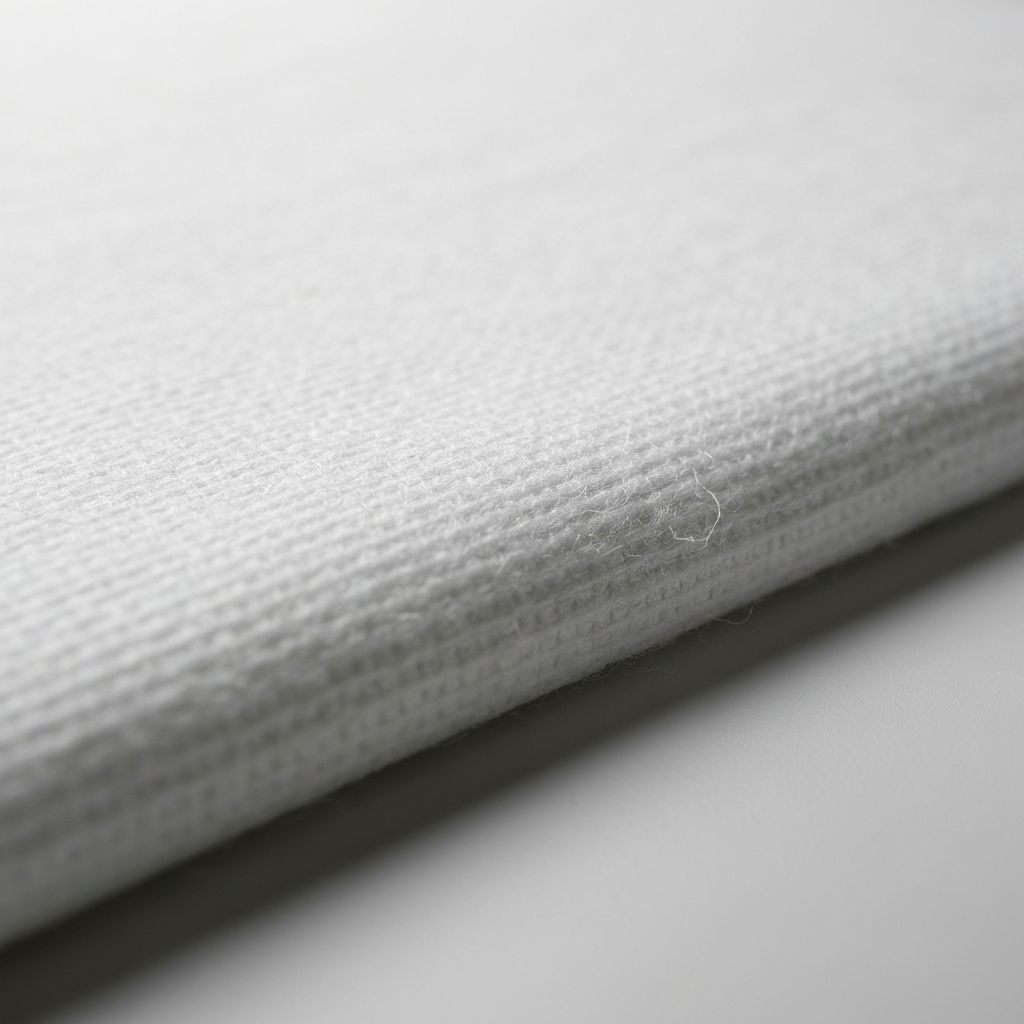
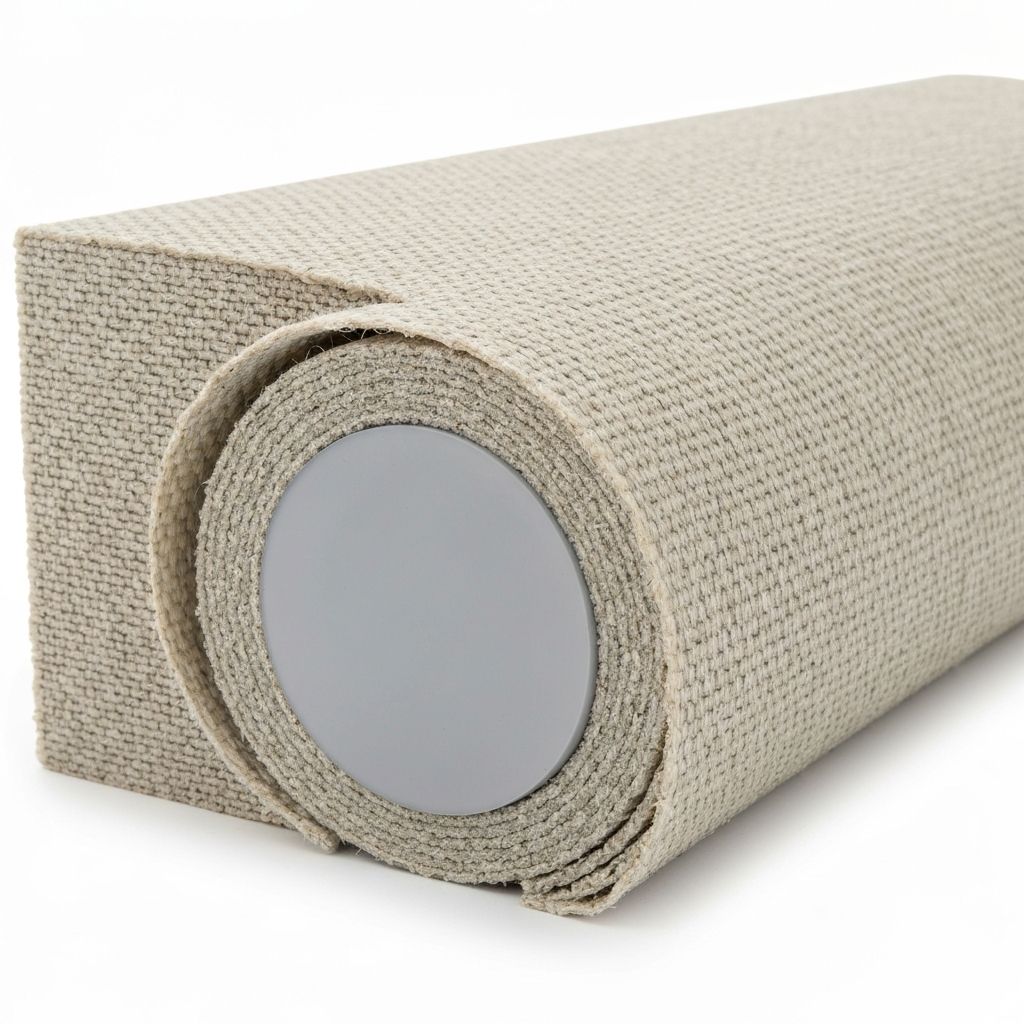
Walk onto most civil engineering sites and you will see rolls of nonwoven geotextile fabric. They often look similar—both are needle-punched, both have a felt-like texture, and both come in dark or white rolls. But what you are looking at may be one of two fundamentally different materials: short-fiber needle-punched geotextile or continuous filament spunbond needle-punched geotextile.
The distinction matters enormously. These two material types use different raw materials and processing techniques, and their fiber morphology and mechanical properties are distinctly different. A short-fiber geotextile placed where continuous filament reinforcement is required will fail early. Conversely, specifying filament geotextile for a simple drainage application wastes budget.
Industry data confirms that in U.S. drainage and filtration projects, geotextiles reduce clogging by 50% and extend infrastructure lifespans by 20–50 years—but only when the correct product is matched to the correct function.
Production Process: From Polymer Feedstock to Rolled Fabric
Short-Fiber Needle-Punched Geotextile: The Staple Fiber Route
The short-fiber needle-punched geotextile production process begins with cut staple fibers—typically polyester (PET) or polypropylene (PP)—with fiber lengths in the 38–51mm range. These short fibers go through a sequence of opening, carding, and cross-lapping to form a randomly oriented fiber web, followed by needle-punching where barbed needles mechanically interlock the fibers into a three-dimensional structure.
The resulting fabric has a fluffy, felt-like surface. Fiber distribution is random throughout the material. Short-fiber geotextiles are produced in mass per unit area ranging from 100 g/m² to 800 g/m², with roll widths up to 8 meters available.
Continuous Filament Spunbond Geotextile: The Polymer-to-Fabric Route
The continuous filament geotextile production process is fundamentally different. Rather than starting with cut staple fibers, the process begins with polymer chips (typically polyester or polypropylene) that are melted and extruded through spinnerets to form continuous filaments of unlimited length. These filaments are laid down onto a moving conveyor belt in a random web pattern, then bonded—typically through needle-punching—to form a dimensionally stable fabric.
The spunbond manufacturing process follows a three-step sequence: filament spinning, web formation, and web bonding. The continuous nature of the filaments gives the finished fabric a dense, smooth surface appearance.
Mechanical Performance: Breaking Strength, Elongation, and Puncture Resistance
| Property | Short-Fiber Needle-Punched | Continuous Filament Spunbond | Test Standard |
|---|
| Tensile Breaking Strength (kN/m) | 3–8 | ≥15 (≥8 typical minimum) | GB/T 17638/17639 |
| Elongation at Break (%) | 30–60 | 40–80 | GB/T 17638/17639 |
| CBR Puncture Strength (kN) | ≥0.3 (weight-dependent) | ≥2.6 (300 g/m² reference) | GB/T 14800 |
| Trapezoidal Tear Strength (kN) | ≥0.15–0.25 | ≥0.42 | GB/T 13763 |
| Grab Strength (kN) | ≥0.5–1.2 | ≥2.0–4.0 | ASTM D4632 |
The data tells a consistent story. Continuous filament spunbond geotextiles deliver higher breaking strength, higher CBR puncture resistance, and higher tear strength than short-fiber needle-punched geotextiles at equivalent weight specifications. This advantage comes from the continuous filament structure: fibers are not mechanically pieced together the way staple fibers are; they run uninterrupted through the fabric.
Hydraulic Properties: Filtration Precision vs. Drainage Capacity
Short-fiber needle-punched geotextiles have a fluffier, more open structure with porosity typically in the 80–90% range. This high void ratio produces excellent vertical permeability—the material drains water quickly while still retaining soil particles above a certain size threshold.
Continuous filament spunbond geotextiles, by contrast, have a denser, more uniform structure. Pore size distribution is tighter and more consistent across the fabric surface. This translates to higher filtration precision—the material is better at capturing fine particles without clogging—and more stable in-plane drainage performance over time.
The selection rule: vertical drainage favors short-fiber; lateral (in-plane) drainage under sustained load favors continuous filament.
Durability Under Stress: Abrasion, UV Aging, and Long-Term Creep
The continuous filament structure gives filament spunbond geotextiles a clear durability advantage. The long, unbroken fibers are less susceptible to surface abrasion—individual fibers cannot easily be pulled out or broken at short segment lengths. Short-fiber geotextiles wear more easily, with fibers liable to fuzz and detach, and performance degrades relatively faster under long-term exposure to harsh environments.
For UV resistance, continuous filament geotextiles also hold the advantage. The smooth filament surface area presents less polymer surface for UV degradation per unit mass, and the denser structure limits oxygen penetration into the interior of the fabric.
Continuous filament spunbond geotextiles, when properly specified and installed, typically achieve a service life of 50 years or more, making them suitable for large-scale or permanent engineering works.
Application Scenarios: Matching the Material to the Mission
Where Short-Fiber Needle-Punched Geotextile Excels
- Subgrade drainage layers for roads and embankments, where the fabric needs to move water vertically through the soil profile
- Separation layers between granular sub-base and fine-grained subgrade, preventing material intermixing
- Auxiliary filtration in canal and riverbank protection
- Erosion control blankets for slope greening and surface soil stabilization
- Temporary works and non-critical applications where budget constraints favor lower per-square-meter cost
Where Continuous Filament Spunbond Geotextile Excels
- Highway and railway subgrade reinforcement, improving overall base stability
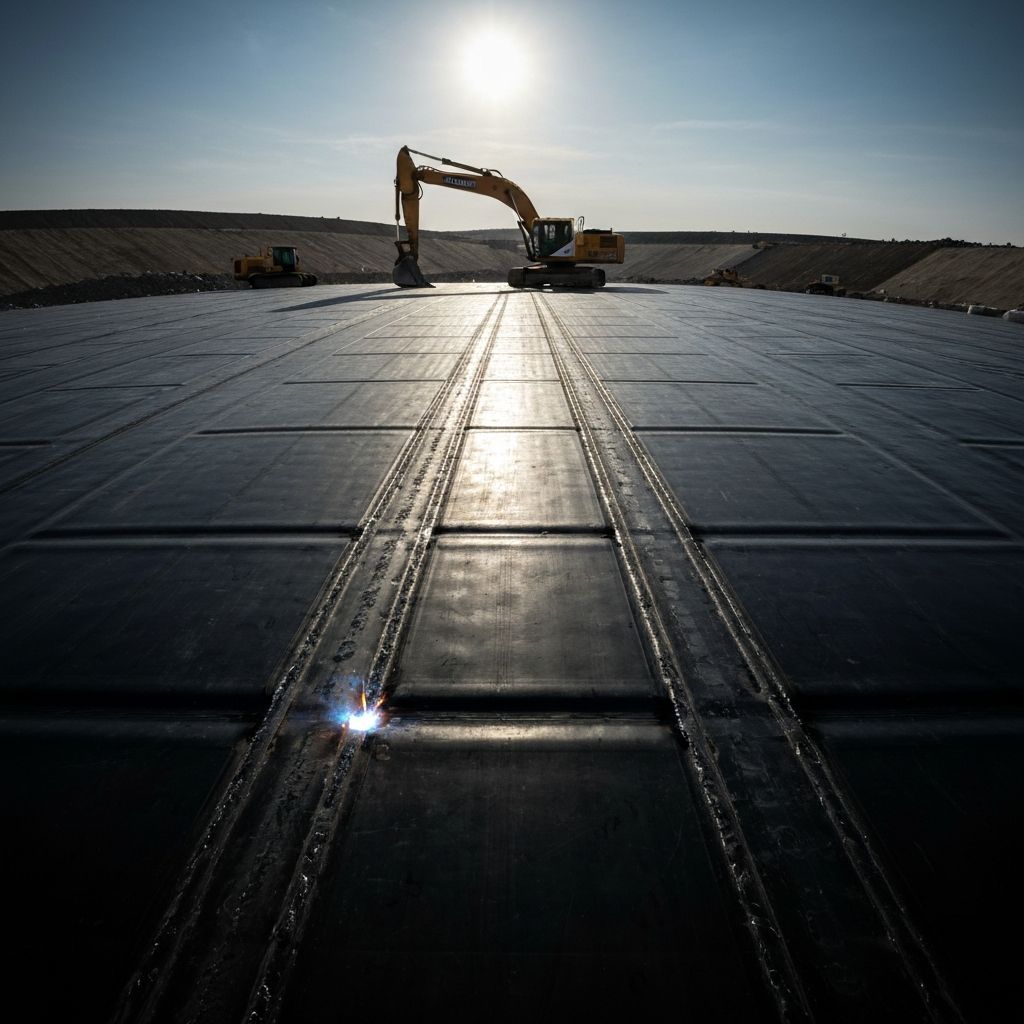
- Protective cushion layers in landfill liner systems, where the geotextile sits between the geomembrane and overlying drainage gravel
- Port yard and heavy-duty pavement reinforcement, resisting deformation under concentrated heavy vehicle loads
- Reinforced soil retaining walls and steep slopes where geotextile tensile strength directly contributes to structural stability
- Hydraulic structure protection layers in dams and spillways
Final Summary
Short-fiber needle-punched geotextiles and continuous filament spunbond geotextiles are not interchangeable materials. They differ fundamentally in production process: one builds fabric from cut staple fibers mechanically entangled, the other spins continuous filaments directly from polymer melt and bonds them into a dense, stable structure.
For anyone sourcing from a geosynthetics manufacturer, the geotextile selection decision should be driven by specific project requirements—not by habit, not by price alone. Test the mechanical parameters. Verify the hydraulic properties. Match the material to the mission.